

The modern era demands a radical pedagogical shift and a complete overhaul of traditional teaching methods that flaunt teachers as the sole producers of knowledge and learners as impetuous consumers of knowledge.
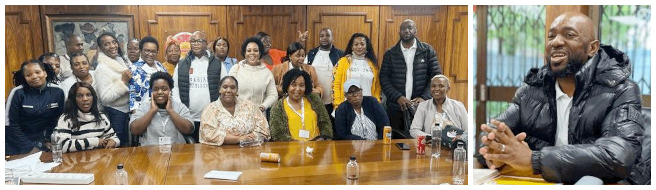
It was against this background that UKZN’s School of Education collaborated with the KwaZulu-Natal Department of Basic Education to host a Professional Development Workshop which was attended by Grade 10-12 isiZulu Home Language and First Additional Language teachers from the Pinetown and Umlazi districts.
‘The purpose of this workshop was to network with peers from different schools and exchange insights about what works and doesn’t in their classrooms,’ said Dr Sicelo Ziphozonke Ntshangase, Deputy Academic Leader of the Language and Arts Education Cluster in the School of Education.
Titled: Using Interactive Pedagogies to Teach Listening and Speaking in the isiZulu Classroom the workshop covered topics such as Ukufundisa Amakhono Okulalela Nokukhuluma Kusetshenziswa Izinjulalwazi Ezikhathiwe (Social constructivism and Transformative Learning Theory); Izindlela Namasu Kokufundisa Ukulalela Nokukhuluma; Ukusetshenziswa Kwezobuchwephese Uma Kufundiswa Amakhono Okulalela Nokukhuluma; Izindlela Zokuhlola Uma Kucijwa Amakhono Okulalela Nokukhuluma. These topics were presented by Miss Noluthando Ngcongo, Miss Nomfundo Mbanjwa, Dr Sicelo Ziphozonke Ntshangase, Dr Nokukhanya Ngcobo and Professor Simon Bheki Khoza, respectively. The guest speaker was Dr Sibusiso Ntuli from the University of Zululand. Miss Thulile Ndlovu directed the programme. UKZN M Ed students in the the Language and Arts Education Cluster, Ms Nontle Diya, Ms Nelisiwe Mqadi and Ms Zonke Ndlovu assisted with logistics.
The workshop aimed at disseminating best pedagogical practices for isiZulu teachers on how to teach listening and speaking skills, providing support and guidance, offering theoretical and practical knowledge on assessment strategies, offering research-based and capacity development knowledge on using technology, and developing teaching materials that spark learners’ interest and sharpen their listening and speaking skills. In addition, the workshop addressed the marginalisation of indigenous African languages in South Africa’s post-apartheid education system.
The workshop adopted the principles of the participatory action research methodology, where in-service teachers discussed what works and does not work by reflecting on their day-to-day encounters with learners in their isiZulu classrooms, thus providing a critical analysis of how interactive teaching methods and strategies can be used in an authentic classroom environment.
‘Teachers loved every minute of it, it was a really enlightening encounter. They said that they wished these seminars could be held every year,’ said Ntshangase.
During these engaging sessions, educators shared their first-hand experiences teaching, listening and speaking in their classrooms.
According to Ntshangase, several teachers were more interested in enrolling at UKZN as a result of the session.